Why Do I Still Have Bad Breath Even After Brushing My Teeth?
Published on June 8, 2026 | By ProDentim Scientific Team | 11 min read
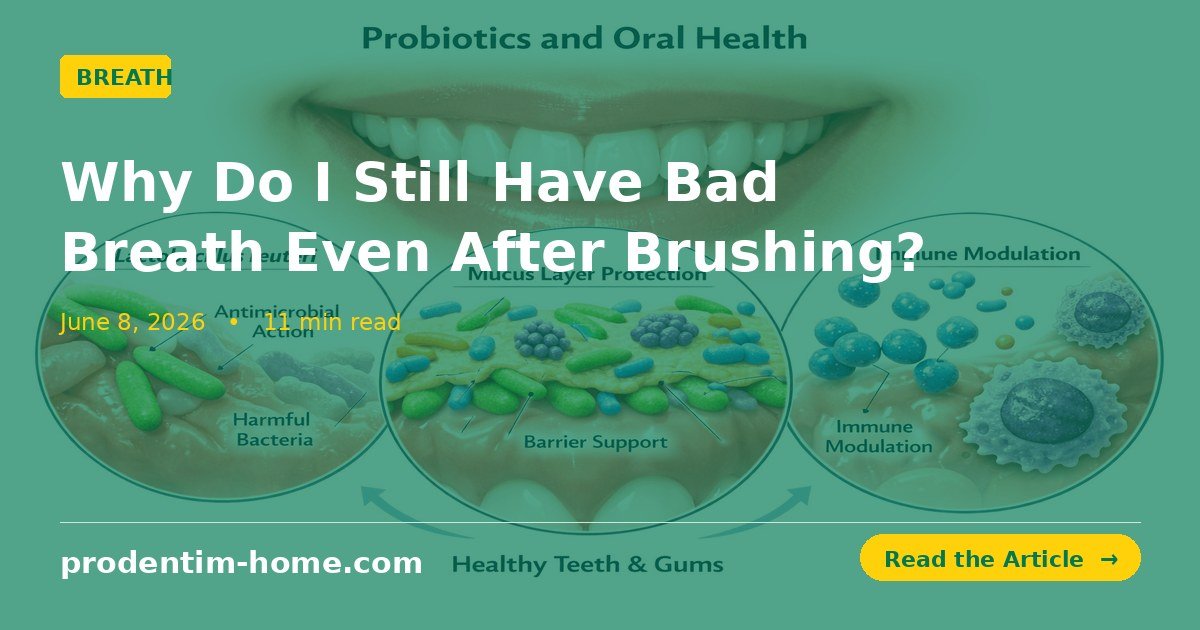
You brush twice a day. You floss. You may even keep mints in every pocket. And yet, by mid-morning, that stale, unmistakable odor is back. If this sounds familiar, you are not alone, and more importantly, you are not doing anything wrong. Persistent bad breath that survives brushing, known clinically as chronic halitosis, affects an estimated one in four adults worldwide. The frustrating truth is that for most people, a toothbrush was never going to solve the problem in the first place.
To understand why, we have to look past the surface of the teeth and into the living ecosystem inside your mouth: the oral microbiome. This article breaks down exactly where the smell comes from, why your current routine keeps missing it, and what the latest dental science suggests actually works.
Where Bad Breath Actually Comes From
The odor of bad breath is overwhelmingly chemical in origin. Specific bacteria in your mouth feed on leftover proteins from food, dead cells, and mucus, and as a byproduct they release gases called Volatile Sulfur Compounds (VSCs). The three main culprits are hydrogen sulfide (the rotten-egg smell), methyl mercaptan (a sour, cabbage-like odor), and dimethyl sulfide. According to research summarized in the Journal of Breath Research, these compounds are responsible for roughly 90% of cases of oral malodor [1].
The bacteria that produce VSCs are anaerobic, meaning they thrive where there is little oxygen. That is the key to the whole mystery. They do not gather on the smooth, exposed front surfaces of your teeth where the brush goes. They congregate in the low-oxygen hiding spots your toothbrush cannot reach.
The Tongue: Ground Zero for Odor
The single largest source of bad breath is the surface of the tongue, particularly the rough rear third. The tiny crevices between taste papillae form a sheltered, oxygen-poor habitat where anaerobic bacteria and food debris accumulate into a layer called the tongue coating. Studies have repeatedly shown that the volume of this coating correlates directly with the intensity of bad breath. A standard toothbrush stroke across the front of the tongue barely disturbs it.
The Gum Line and Periodontal Pockets
Below the edge of your gums sit small spaces called sulci, and in people with early gum inflammation these deepen into periodontal pockets. These pockets are almost completely sealed off from oxygen, making them ideal breeding grounds for odor-producing species such as Porphyromonas gingivalis and Treponema denticola. No amount of surface brushing reaches into them.
Why Brushing and Mouthwash Keep Failing You
Here is the part that surprises most people. Aggressive cleaning can actually make persistent bad breath worse over time. To see why, consider what a typical routine does to the bacterial balance in your mouth.
Brushing Only Treats the Symptom Surface
Brushing physically removes plaque and food from tooth surfaces, which is genuinely important for cavity prevention. But it does almost nothing to the tongue coating or the subgingival pockets where VSC producers live. The fresh sensation after brushing comes mostly from the mint flavoring in toothpaste, not from removal of the odor source. Within an hour or two, the anaerobic colonies have resumed production and the smell returns.
Antiseptic Mouthwash Disrupts the Balance
Strong alcohol-based and antiseptic mouthwashes are marketed as the ultimate fresh-breath fix, but they take a scorched-earth approach: they kill bacteria indiscriminately. The problem is that your mouth depends on beneficial bacteria to keep the odor-producing strains in check. When you wipe out everything, the fast-growing pathogens often recolonize first and most aggressively, sometimes leaving you worse off than before. Alcohol also dries the mouth, and a dry mouth is one of the strongest triggers for VSC production.
The Real Problem: An Imbalanced Oral Microbiome
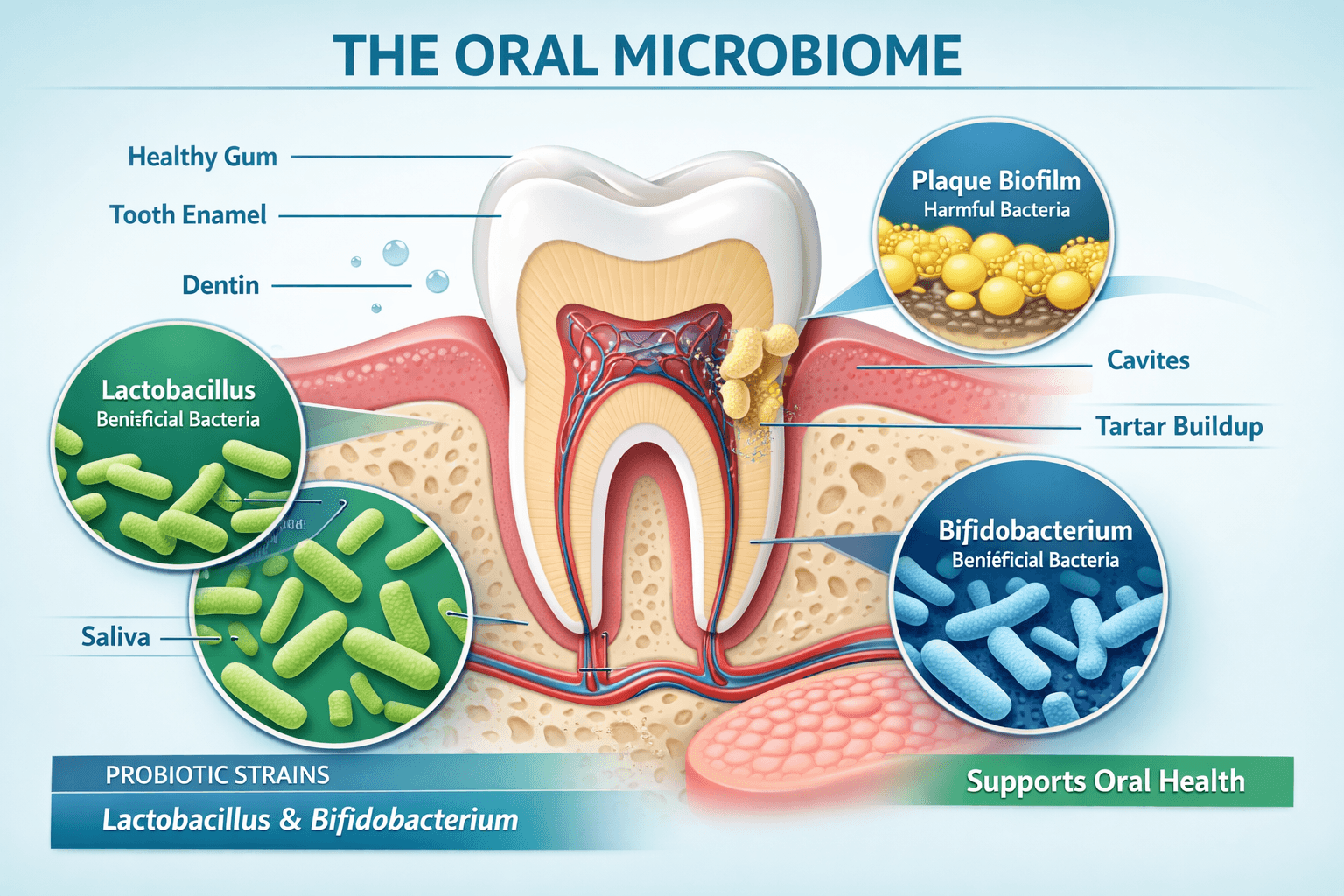
Modern dental research has reframed chronic bad breath not as a hygiene failure but as a state of microbial imbalance, technically called oral dysbiosis. In a healthy mouth, hundreds of bacterial species coexist in equilibrium, and beneficial strains naturally suppress the few that cause odor and disease. When that balance tips, the VSC producers dominate, and no surface cleaning will fix an ecosystem-level problem.
This is the same shift in thinking that transformed how we treat gut health. We stopped trying to sterilize and started trying to repopulate. A 2023 systematic review in the journal Pharmaceuticals concluded that probiotic strains can meaningfully improve markers of oral health by restoring this balance rather than destroying it [2].
| Common Cause | Why Brushing Misses It | What Actually Helps |
|---|---|---|
| Tongue coating (anaerobic bacteria) | Brush reaches only the front surface | Tongue scraping plus probiotic rebalancing |
| Periodontal (gum) pockets | Bristles cannot enter the sulcus | Flossing, professional cleaning, beneficial strains |
| Dry mouth (low saliva) | Brushing does not affect saliva flow | Hydration, avoiding alcohol mouthwash |
| Microbiome imbalance (dysbiosis) | Cleaning removes good bacteria too | Oral probiotics to restore equilibrium |
A Smarter, Evidence-Based Approach to Fresh Breath
If brushing alone is not enough, what does work? The most effective strategy attacks the problem from both directions: physically reduce the bacterial reservoir, and biologically restore the balance so the odor producers cannot easily return.
- Scrape your tongue daily. A dedicated tongue scraper removes far more of the odor-causing coating than a brush. This single habit produces a noticeable difference for most people.
- Stay hydrated and protect saliva. Sip water through the day, breathe through your nose, and avoid drying alcohol-based rinses.
- Floss to disrupt gum-line colonies. Cleaning between teeth and just under the gum line reaches the anaerobic pockets a brush cannot.
- Repopulate with beneficial bacteria. This is the step most people are missing entirely.
How Oral Probiotics Tackle the Root Cause
Oral probiotics introduce strains of beneficial bacteria that are naturally found in a healthy mouth. Rather than killing everything, they work by competitive exclusion: they occupy the same surfaces and consume the same nutrients as the odor-producing species, gradually crowding them out. Certain strains, including Lactobacillus reuteri, Lactobacillus paracasei, and Lactobacillus salivarius, have been studied specifically for their ability to lower VSC levels and support fresher breath over the long term [3].
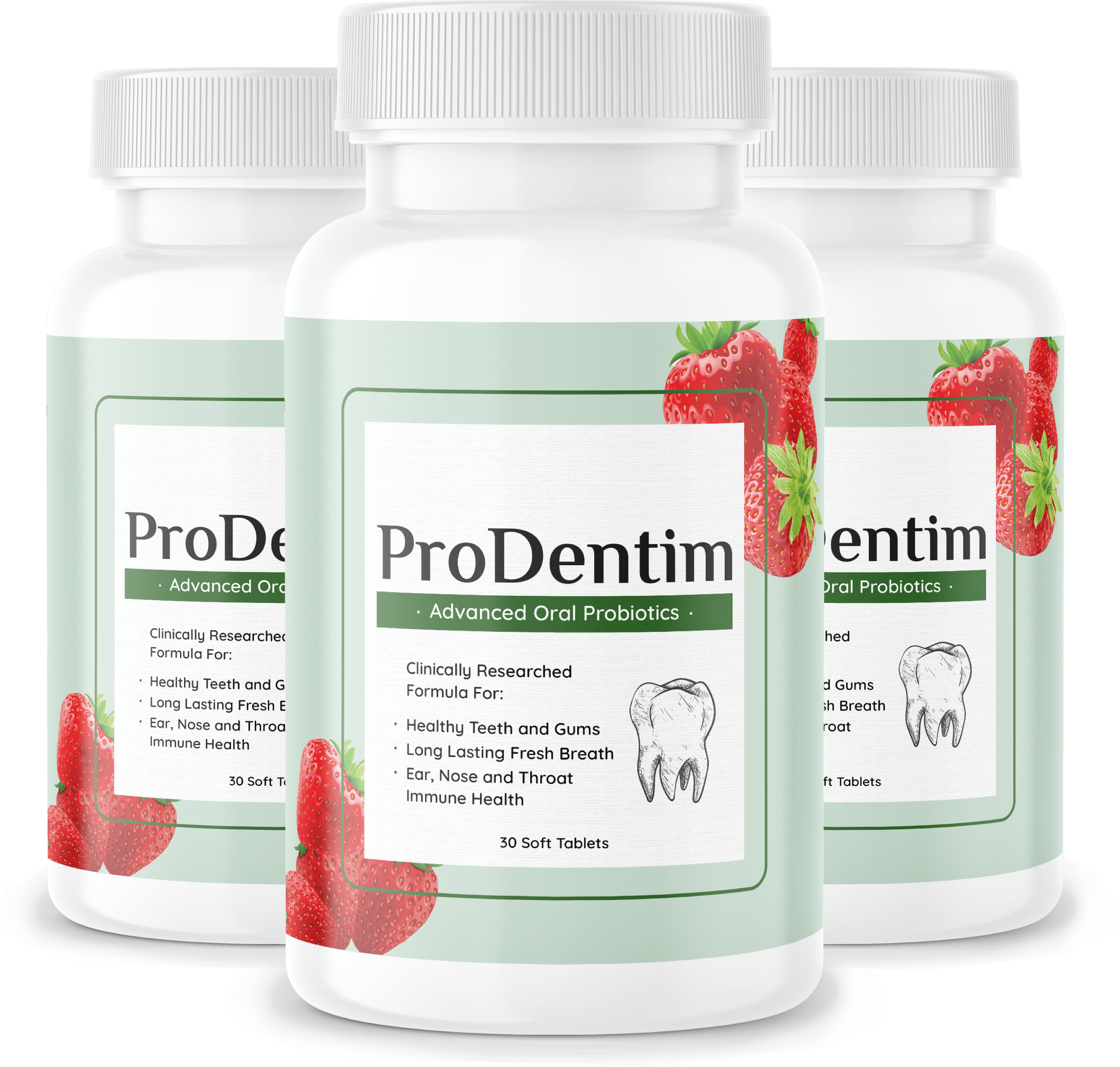
This is the principle behind probiotic-based oral care formulas like ProDentim, which combine several clinically researched strains with supportive natural ingredients such as inulin, malic acid, and peppermint. The goal is not a five-minute mask of mint, but a gradual shift in the entire oral ecosystem toward the balance associated with naturally fresh breath.
When to See a Professional
Most persistent bad breath originates in the mouth, but not all of it. If careful tongue cleaning, flossing, hydration, and microbiome support do not improve the situation over several weeks, it is worth seeing a dentist to rule out untreated gum disease or tooth decay, and in rarer cases a physician to consider non-oral sources such as sinus infections, acid reflux, or metabolic conditions. Chronic bad breath that resists all oral care deserves a professional evaluation.
Conclusion: Stop Scrubbing, Start Rebalancing
If you have been brushing harder and rinsing longer with no lasting result, the issue was never your effort. Bad breath is a signal that the bacterial community in your mouth has fallen out of balance, and the odor lives in places a brush simply cannot reach. The path to genuinely fresh breath runs through the oral microbiome: clear the reservoir on your tongue and gums, protect your saliva, and repopulate the beneficial bacteria that keep the odor producers in their place. Address the ecosystem, and the freshness lasts well past breakfast.
References:
[1] Aydin M, Harvey-Woodworth CN. "Halitosis: a new definition and classification." Journal of Breath Research / British Dental Journal review. View Source
[2] Inchingolo F, et al. "The Benefits of Probiotics on Oral Health: Systematic Review of the Literature." Pharmaceuticals (Basel). 2023. View Source
[3] Burton JP, et al. "A preliminary study of the effect of probiotic Streptococcus salivarius K12 on oral malodour parameters." Journal of Applied Microbiology. 2006. View Source
[4] Meurman JH, Stamatova I. "Probiotics: contributions to oral health." Oral Diseases. 2007.
Related reading: How Probiotics Support Healthy Gums & Fresh Breath · 7 Signs Your Oral Microbiome Is Out of Balance